Last summer, in the Ural town of Krasnoturyinsk, a war in Ukraine veteran discharged from the front went missing. Police did not search for him, even as his family raised the alarm. The veteran was found by chance several weeks later, not far from his home — strangled and buried among the garages. His killer was quickly identified, but never punished. Because he, too, had gone off to the “special military operation” — as people now say, to wash away his sins in blood. The New Tab journalist Ilya Grinberg traveled to Krasnoturyinsk to understand how events and phenomena that would have seemed unthinkable just four years ago have become a bitterness so ordinary it brings tears to the eyes.
The original piece was published in February 2026.
With no Breaks
On summer nights in 2024, someone in Krasnoturyinsk, Sverdlovsk Oblast, developed a habit of stealing bicycles from local teenagers.
The first to disappear — in early June — was an Aktiko bicycle bought a year earlier on Russian classifieds website Avito for eight thousand rubles. (All events here are reconstructed from criminal case files. — Ed.) The chain had snapped, and the teenage owner left the bike locked in the courtyard overnight, planning to fix it in the morning. But when he came back the next day with a new chain, all he found was a broken bike lock on the ground.
Even more galling was the fate of a brand-new Mikado bicycle — thirteen and a half thousand rubles — that another Krasnoturyinsk boy’s parents had given him for his birthday. The kid had barely ridden it to school a couple of times and cycled around the yard with his friends before it vanished.
The thief was found a couple of months later, and criminal charges were filed. It turned out the bicycles had been stolen by eighteen-year-old Seryozha Komissarov. Both times, out walking with friends, he’d kicked the bike locks off with his foot. Then, after asking his companions not to tell anyone, he’d wheeled the bikes home to strip them for parts.
That’s how a bicycle chop shop came to accumulate on Seryozha’s balcony. Investigators would later find two bicycle frames, four wheels, three brake pads, two inner tubes, a pedal, a gear shifter, and a brake cable with a handle. The boy’s mother, Natalya Komissarova, refused to believe her son had stolen any of it. She said she’d been certain all the bicycle parts had been given to Seryozha by his friends to repair.
But in the young man’s apartment they found not only pedals and brake pads but also someone else’s bank cards, and expensive alcohol in the fridge. And so the criminal case, opened in the autumn, acquired a third episode, one that had nothing to do with bicycles.
Two Long Blasts — Explosion, Three Short — All-Clear
Krasnoturyinsk made its name on mineral extraction: the city has given Russia tons of iron and copper ore, mountains of platinum, and record-setting gemstones. The mineral called Miner’s Glory, found here, weighs in at nearly thirty-three thousand carats, placing it among the ten largest emeralds in the world, heavy as a medium-sized watermelon, more than 6 kilos.
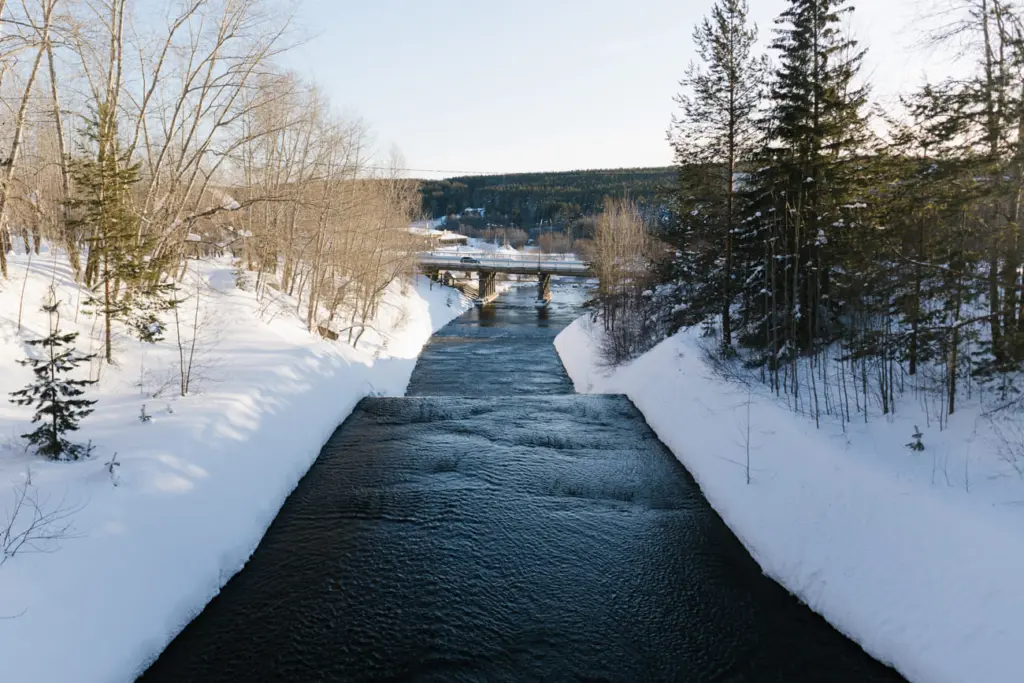
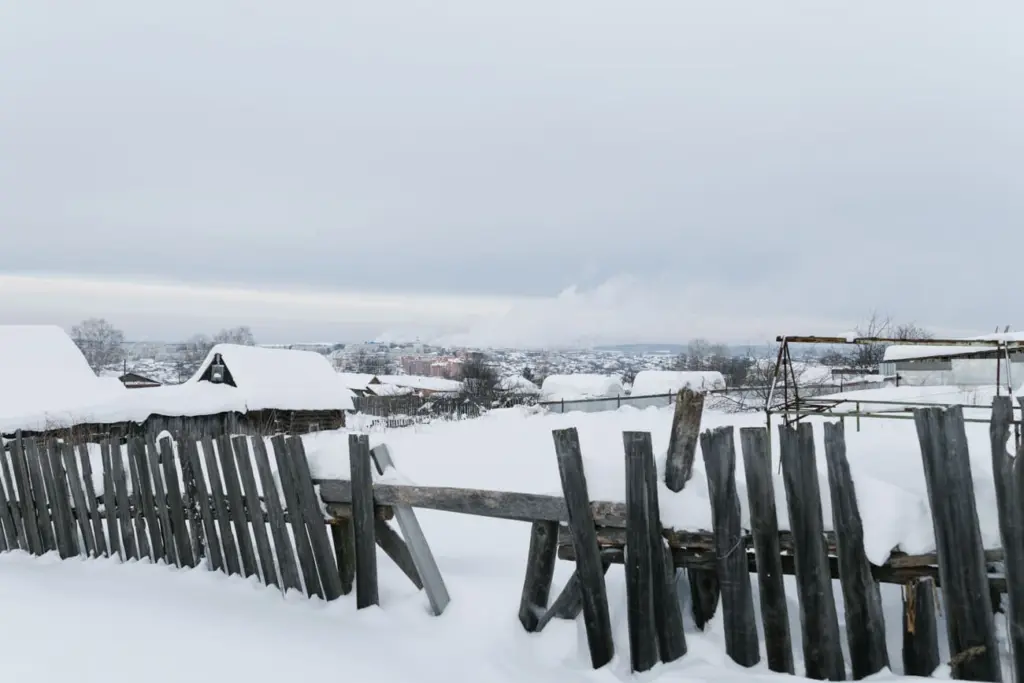
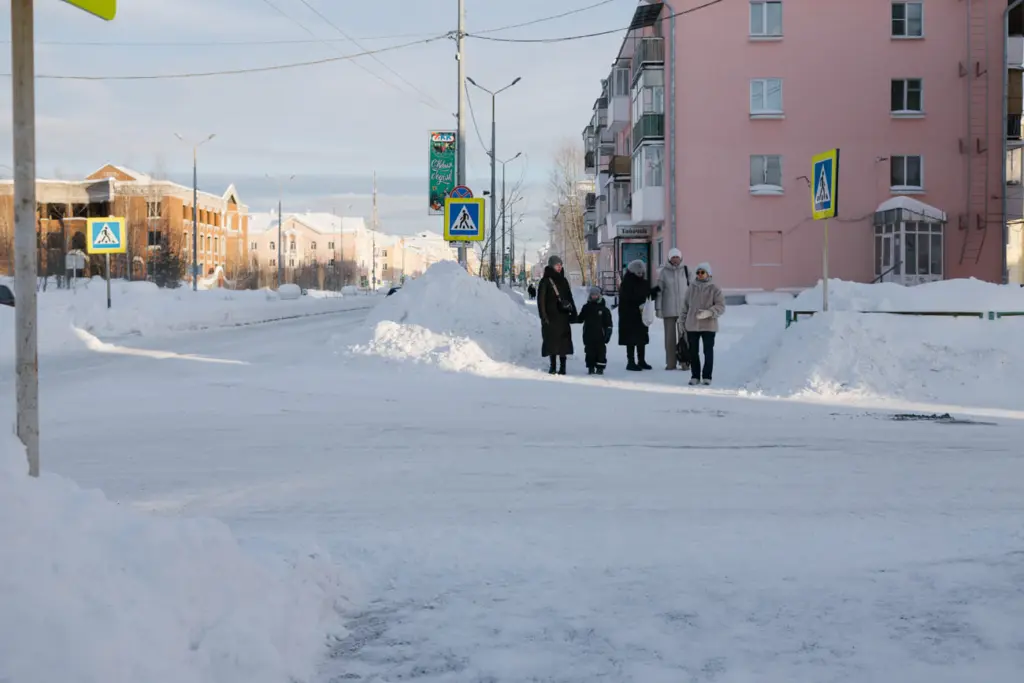
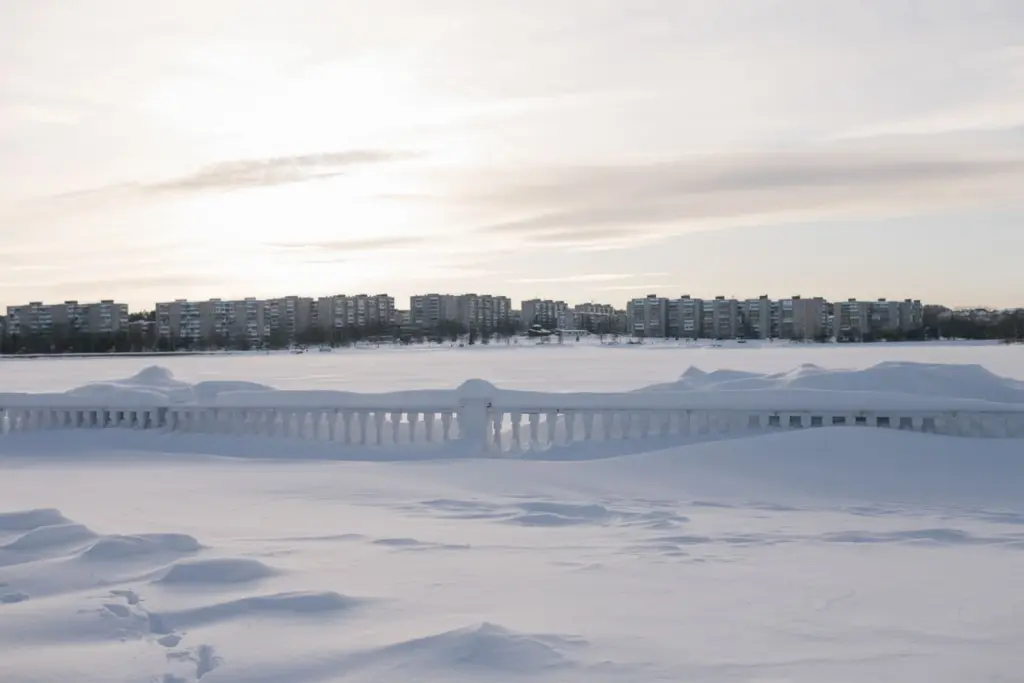
This city of fifty-five thousand has no Kremlin. Instead, it has an aluminum smelter, whose fortress towers, the cooling stacks, are visible from everywhere, enveloping the city and the Turya River in drifting steam. Travel guides suggest visitors explore the geological museum, stroll along the embankment, and compare the buildings on the central square to well-known architectural ensembles in St. Petersburg. The cultural program will take two hours at most. For the rest of your stay, tourists will be walking through a sparsely populated industrial city full of Stalinist apartment blocks and private homes, where drivers burn through their suspensions twice a season.
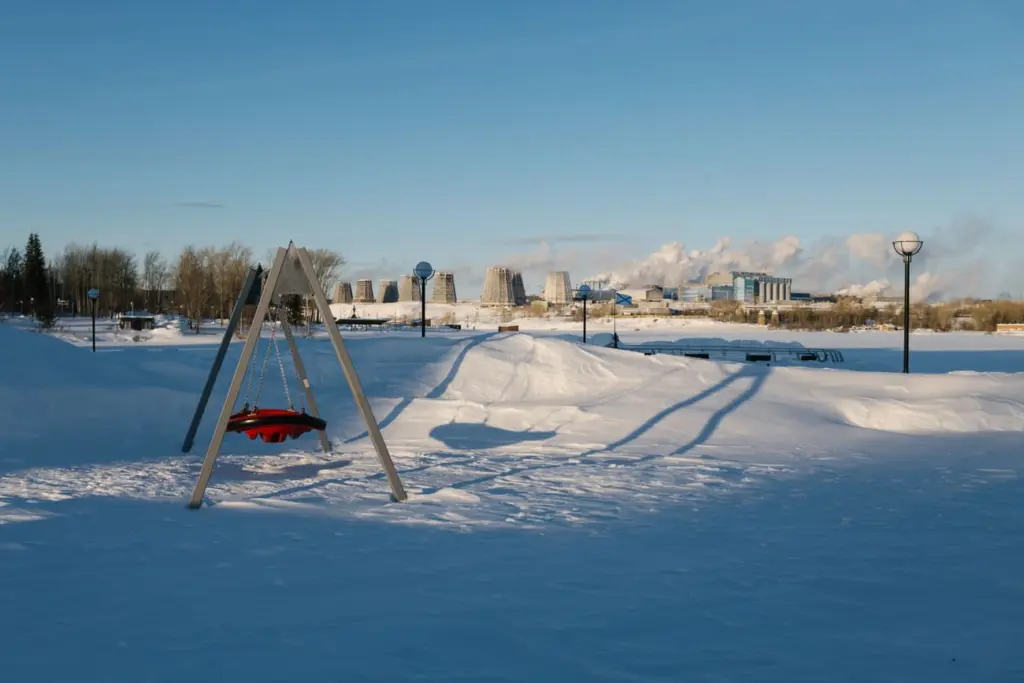
Alongside announcements for ski races and news about beef prices rising thirteen percent, the local community page runs blast-work schedules from the open-pit mine ten kilometers away. Gold ore is mined out there. Residents have grown used to the siren signals — one long blast as a warning, two long blasts for the explosion itself, three short blasts for all-clear, — and no longer reacting to the sounds at all.
Weddings in Krasnoturyinsk are held at the Golden Rooster restaurant, where the house specialty of beef tongue in mushroom sauce will run you nine hundred rubles. Entertainment is provided by the Prometheus cinema, the Kupava public baths, a new skating rink, and a sports club where a gym session costs between three-fifty and five hundred rubles.
The commuter train to Yekaterinburg takes seven hours, departing from Krasnoturyinskaya station deep in the night between Friday and Saturday, but it’s better to book ahead, since plenty of residents head to the regional center on weekends. Most people who want an education or a career prefer to build it there, too. The mayor of Krasnoturyinsk reports that the average local salary exceeds sixty thousand rubles, but residents say that figure bears little resemblance to reality.
For Seryozha Komissarov, even that number would have seemed like another world. Five days after the second bicycle theft, he was riding around town on one of the stolen bikes, now fitted with new brakes. It was his lucky day: he’d found a cardholder on the street with someone else’s bank cards inside. He called his friends, shared the good news, and proposed an experiment — to start small, and try buying a chocolate bar at the nearest Magnit store on someone else’s tab. The payment went through. They ate the chocolate on the spot.
Notifications began pinging on the cardholder’s phone: 374 rubles, 359 rubles, 119 rubles, 807 rubles — Magnit, DobroPar, Monetka, Magnit again. In the two hours it took her to realize the cards were gone and get them blocked, Seryozha had spent roughly eight thousand rubles. He ordered shawarma for himself and three friends. While waiting, he slipped into a sushi place for onigiri. Then he used the stolen card to buy four cans of energy drink and a bottle of vape liquid.
That evening, he boasted to a friend on the phone that he’d also used one of the found cards to pay for alcohol. During the search, police found two bottles of cognac in the fridge, Armenian Tigranakert and Russian Zolotoy Rezerv, along with Steersman Bourbon whiskey and a bottle of Crimean Cabernet.
Zero Aggravating Circumstances
The Krasnoturyinsk City Court found that Sergei Komissarov had committed three deliberate crimes against property. The defendant fully admitted guilt on all counts, expressed remorse for everything, and even returned a portion of the stolen money to the card’s owner — two thousand rubles and change and change.
Unlike the bicycle thefts, which are classified as mid-level offenses, using someone else’s bank card at stores — regardless of the amount stolen — is considered a serious crime, one that could have landed Komissarov up to six years in prison.
But the court handed him no real sentence.
It was his first serious offense. He confessed. He expressed remorse. A whole set of mitigating circumstances, and not a single aggravating one. No obstacles to employment. The court decided that Sergei Komissarov had every chance of rehabilitation without incarceration, and sentenced him to one year and seven months of compulsory labor.
The bicycle frame, wheels, pedal, brake pad, and bank cards were returned to their owners. The cognac, bourbon, wine, and a twenty-milliliter bottle of vape juice were taken by police as evidence. Komissarov also ended up owing the Russian state twenty-four thousand rubles to cover court procedural costs.
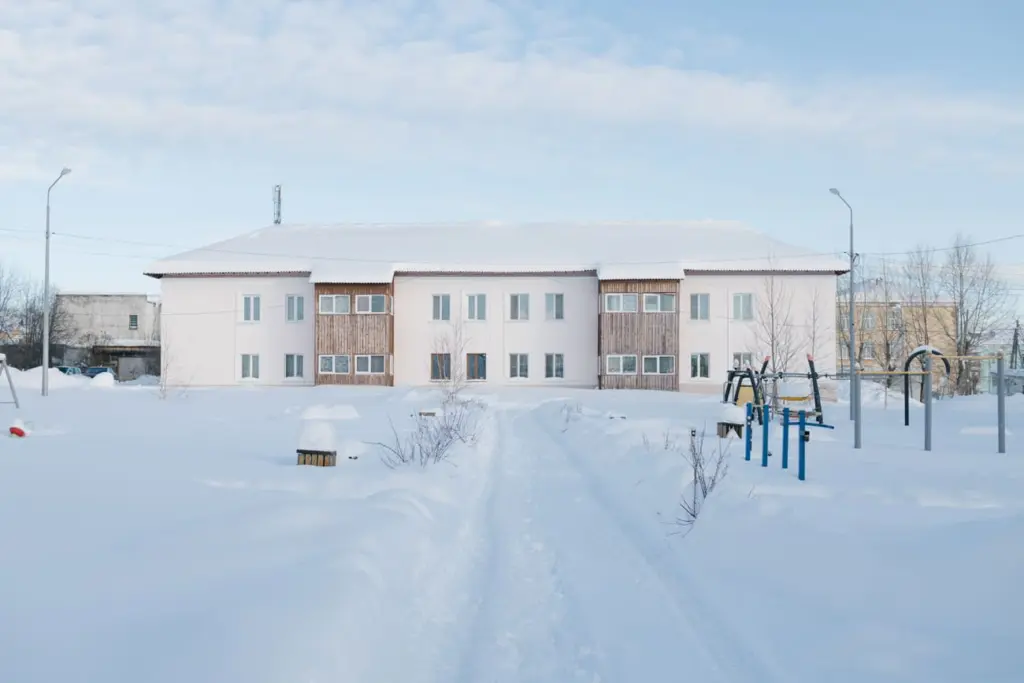
After finishing school, Sergei had not enrolled anywhere, had no trade, and had never held a job. He was sent to serve his sentence in Orenburg Oblast.
Those sentenced to compulsory labor are legally permitted to leave their facility for short trips of up to five days. When Komissarov came home the following summer, he walked into a small shop and saw a short, limping man of about fifty — using a walker, missing fingers on his right hand — awkwardly scattering banknotes across the floor. Sergei asked him to share. The man clearly had plenty of cash, enough for both of them.
The man refused — and Sergei killed him.
“At Least the Girls Will Be Proud”
Dmitry Zaikov, who died exactly forty-eight days short of his forty-eighth birthday, had been born with both legs intact, all his fingers in place. Around town, he had a reputation as someone who hadn’t had things easy: in his youth he’d been convicted and served time for a fight. And in the years that followed, judging by the Krasnoturyinsk City Court website, there had been incidents of disorderly conduct, brawling, drinking, and petty shoplifting.
One report from 2022 describes an incident at a Pyatyorochka supermarket. Zaikov had tried to walk past the register with four cans of stewed meat, a can of sardines, a pack of coffee, and three cans of beer. The report states that Zaikov, showing “visible signs of alcohol intoxication,” behaved aggressively, waved his arms, “used coarse obscene language,” and failed to respond to police officers’ attempts to calm him down. He refused to get into the patrol car, hurled abuse at the officers, and ended up spending five days in the drunk tank.
There were plenty of similar episodes in Zaikov’s biography. But if one asks his sister, fifty-three-year-old Alyona Zhdanova, what he’d actually been convicted of, she’ll throw her hands up: “Something from when he was young… stealing potatoes from gardens. Stole a piglet.”

Alyona had loved Dima since childhood. She was five years old when their mother gave birth to her brother. She remembers: the boy was dark, dark-skinned, swarthy as a gypsy child. Only the light, nearly white curls, like a little Lenin’s, he got from his father. As a teenager, her brother bristled — “What am I, a girl?” — and had them cropped short.
For several years the family lived in Moscow. Their mother managed a food store. Alyona often spent time there after school. She remembers that sometimes there was no one to look after little Dima, so their mother would bring him into the shop. Everyone carried him around, squeezing him tight. In the evening their mother would close up and run around looking for her son — and Dimka would have eaten his fill and been asleep among the biscuits.
Their mother and father didn’t make it work, and the woman took her children back from Moscow to Krasnoturyinsk, to her own family.
Dima grew up, married Oksana, a woman he’d known since his youth. His wife bore him three daughters, one after another. The eldest will turn sixteen in 2026; the youngest is seven.
They never lived well. They ate potatoes and apples from their own garden and eggs from their own chickens. Oksana took cleaning jobs on the side. Dmitry picked up work here and there: as an electrician, a loader, a handyman. Because of his criminal record, no one would take him on permanently.
In October 2023, Zaikov was walking home through the garages when he found someone’s lost bank card. Within half an hour, he was using it to pay for beer and snacks at the Das Pivas kiosk, known locally by its old name, Three Bears.
He spent over two hours in the shop, sampling different beers as he went, running up five thousand rubles of someone else’s money. On his way home he bent the card in half and tossed it in a bin. Police came for him that night. The shop owner and the staff knew Zaikov and his family well — they were regulars.
Dmitry was convicted under the same article that would be used against his future killer a year later: theft of money from someone else’s bank account. Zaikov was given a year’s suspended sentence, with the court taking into account that he had three young daughters depending on him and that he had fully reimbursed the victim and apologized.
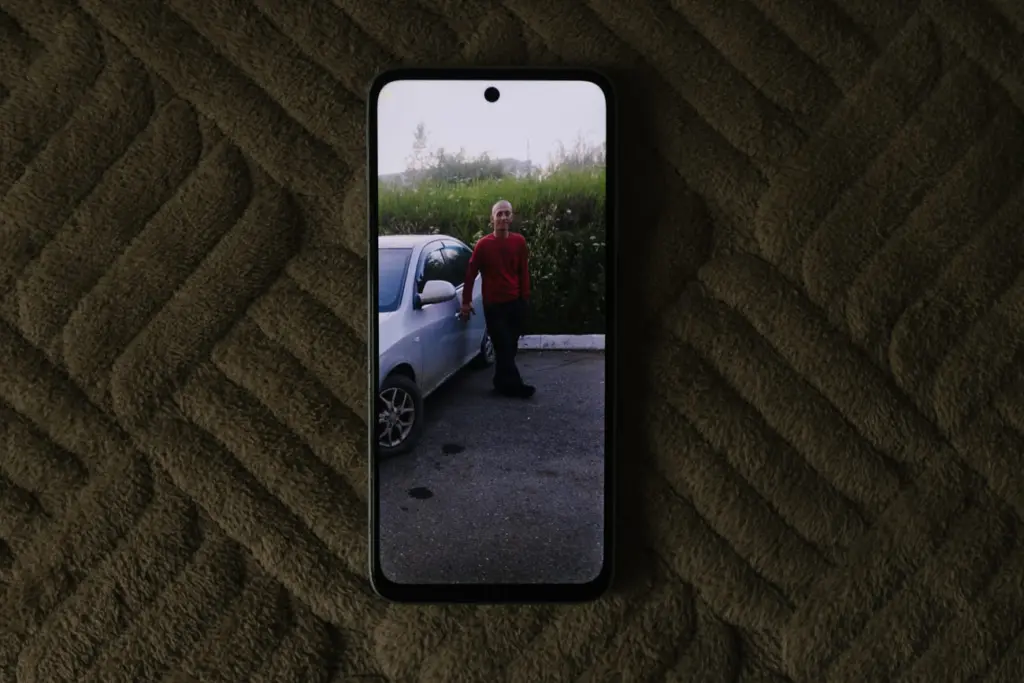
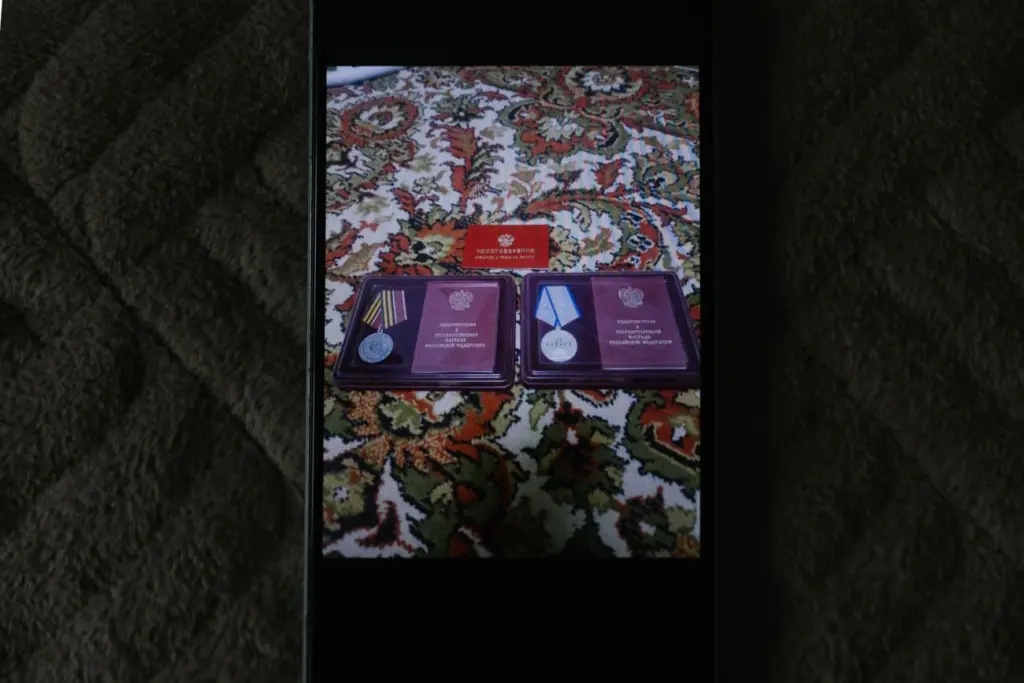
Banners promising million-ruble payouts and child benefits for contract military service hang all over Krasnoturyinsk. A4-sized copies of them decorate shop counters across town. In the Mamin Khleb bakery, the figure of five million eight hundred and sixty thousand rubles, promised for the first year of service, sits in jarring contrast to the meringues priced at thirty-eight rubles and loaves of bread at fifty-one.
Dmitry decided he needed to go to war.
“He used to tell his girls: ‘I’m lucky, I’ll come home no matter what.’ He kept telling Mum: ‘If not me, who’s going to defend the Motherland? What if they come and kill you?’ He’d explain to me: ‘At least the girls will be proud. And if I don’t come back — well, they’ll still be proud,’” Alyona recounts her brother’s words. She adds that he desperately wanted his children not to go hungry, for the family to have no debts, and a new start for himself.
Zaikov came back from the front in less than a year, in January 2025: with money, with medals, and with one leg. During combat, he had pulled two fellow soldiers out from under fire and was wounded himself.
According to his sister, the man who came home was not the man who had left. Two and a half fingers remained on his right hand: the index, the little finger, and the middle one hanging limp “like a rag”: “Enough to make a peace sign and tell someone to go to hell.” His psychological state was equally limp. Dmitry told Alyona he was constantly hearing noises and voices. He installed cameras all over the house: he had lost his leg and fingers to a drone, and after coming home, “drones were flying everywhere, at night someone was climbing through the windows.”
Dmitry started drinking harder and more often. Occasionally he’d perk up and joke around, but Alyona noticed he had turned inward, lost heart, and stopped hugging her when they met, as he used to. Alyona says Oksana, Dmitry’s wife, had grown tired of his drinking, and filed for divorce. But they went on living under the same roof: Dmitry had nowhere else to go.
“Welcome Out of Here”
Dmitry has two VKontakte accounts. In the first, created five years ago, there is just one post, written in February 2024 with spelling mistakes. The second is filled with military photos posted during 2024. Dmitry poses with a bandolier, takes aim with a rifle, smokes, smiles. He’s in camouflage and a cap with a cheerful slogan: “My wife said to put this on.”
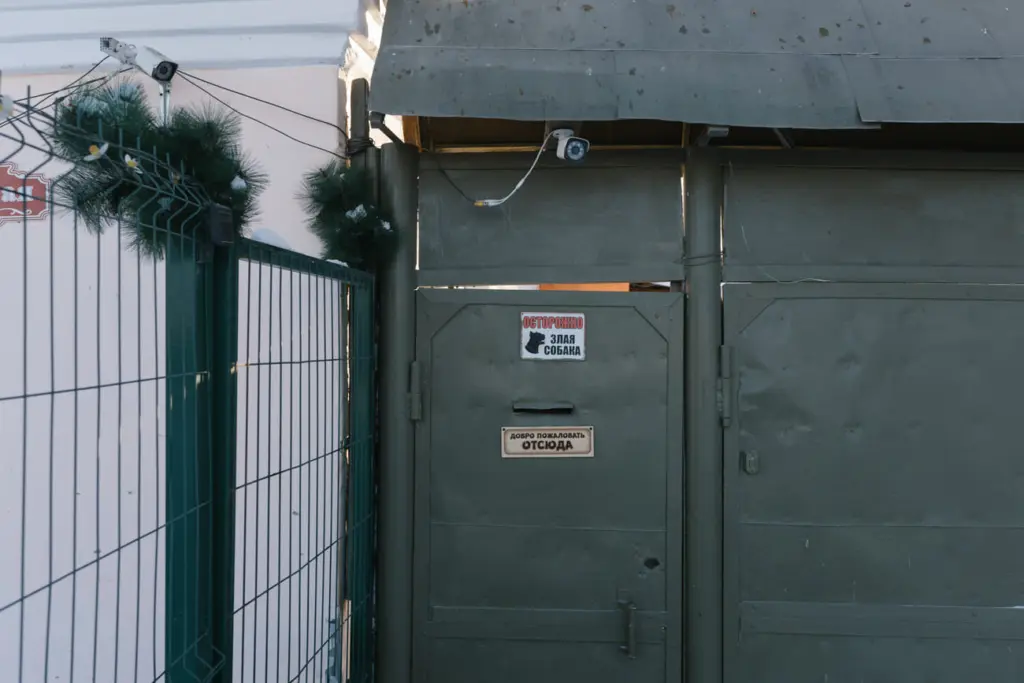
The Zaikov home, which he left for war and to which he returned, hides behind a tall fence. The facade bristles with security cameras. Two signs hang on the gate: “Beware, dangerous dog” and “Welcome Out of Here.” Oksana flatly refuses to speak with journalists and won’t open the door. From behind the fence, a large dog barks without pause or let-up.
Alyona says it’s one of the Alabai dogs Oksana bought with money her husband had sent her. How much Dmitry eventually received as a contract soldier, or what disability pension he was paid after returning, his sister doesn’t know, but she says “they’d never seen money like that in their lives.” Most of the payments, while he was still serving, he transferred to his wife — “a woman who doesn’t drink, a woman with backbone,” as Alyona describes her sister-in-law.
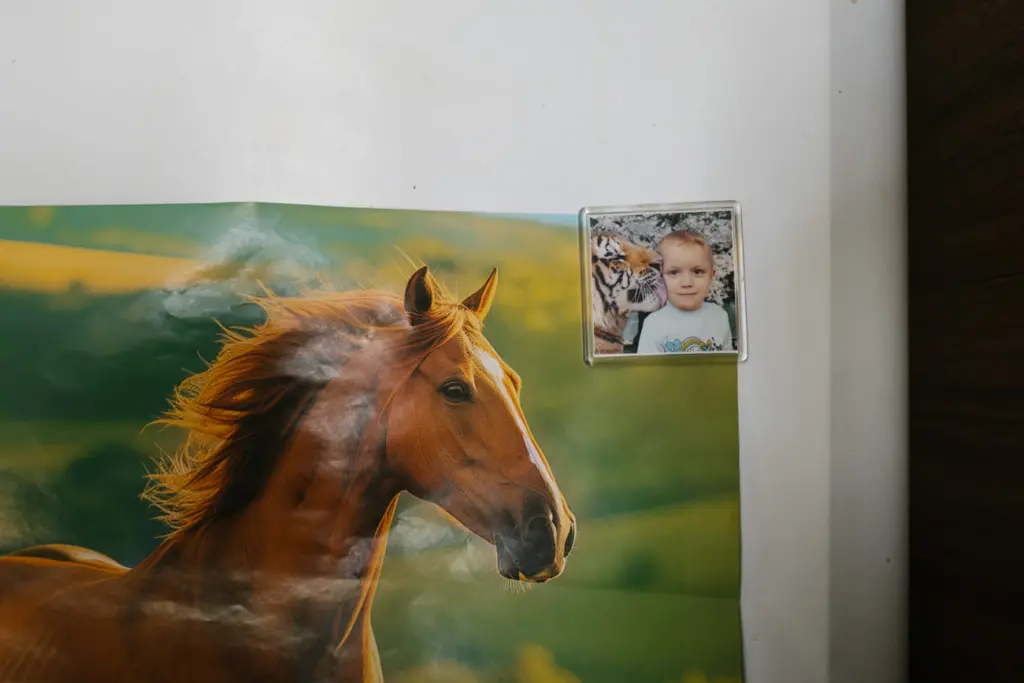
That’s how the Zaikov household came to acquire a new six-meter bathhouse, two greenhouses, a rotavator, and household goods. Dmitry gave each of his daughters an electric scooter. They even bought a horse, Alyona says: “Some of it was smart spending, and some of it… well, they went a bit crazy. Half the village took turns riding that Vesta, and then they got bored with it and sold the horse. What can you do? It’s not a cow.”
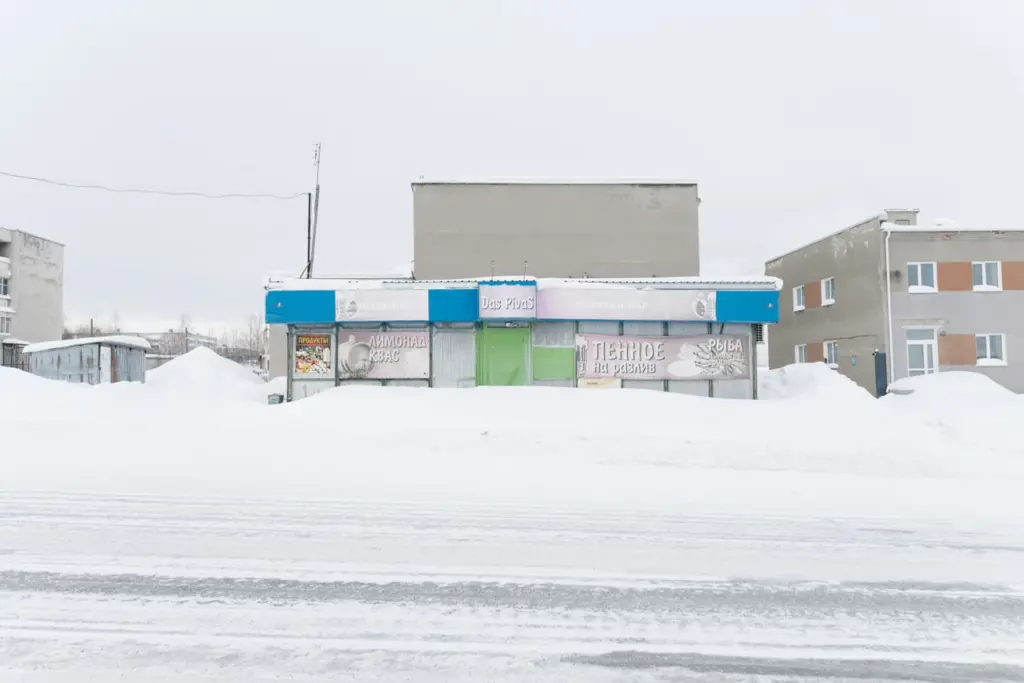
On June 9, 2025, Dmitry went to Three Bears to repay what he owed the staff there. He often bought beer, nuts, and sweets on credit, and paid it back out of his pension. This time, according to Alyona, the debt had accumulated to around fourteen thousand rubles. He scattered the banknotes, picked them up, handed them to the shop assistant, walked out of the kiosk, and was never seen again.
Alyona raised the alarm on June 16: that was the day Dmitry had a prosthetic leg fitting scheduled, an appointment he’d been looking forward to. When he didn’t show, Alyona sensed something was wrong. His phone went unanswered, he’d left it at home before going to the shop. Police refused to search for the war veteran and advised her to wait: he will wander around and show up. Alyona began walking the surrounding streets herself, showing people a photo of her brother. It didn’t help.
“The Star Boy”
They found Zaikov on the last day of summer.
When the phone rang and a voice said, “Yelena Alexandrovna, please come to the station at such-and-such address, your brother has been found,” Alyona breathed in deeply and immediately felt a flash of irritation at the incorrigible Dimka.
“So where had he been?” she asked the police officer on the line. The man paused, then repeated: her brother had been found, and so had his killer. Only then did Alyona understand that Dimka wasn’t coming home.
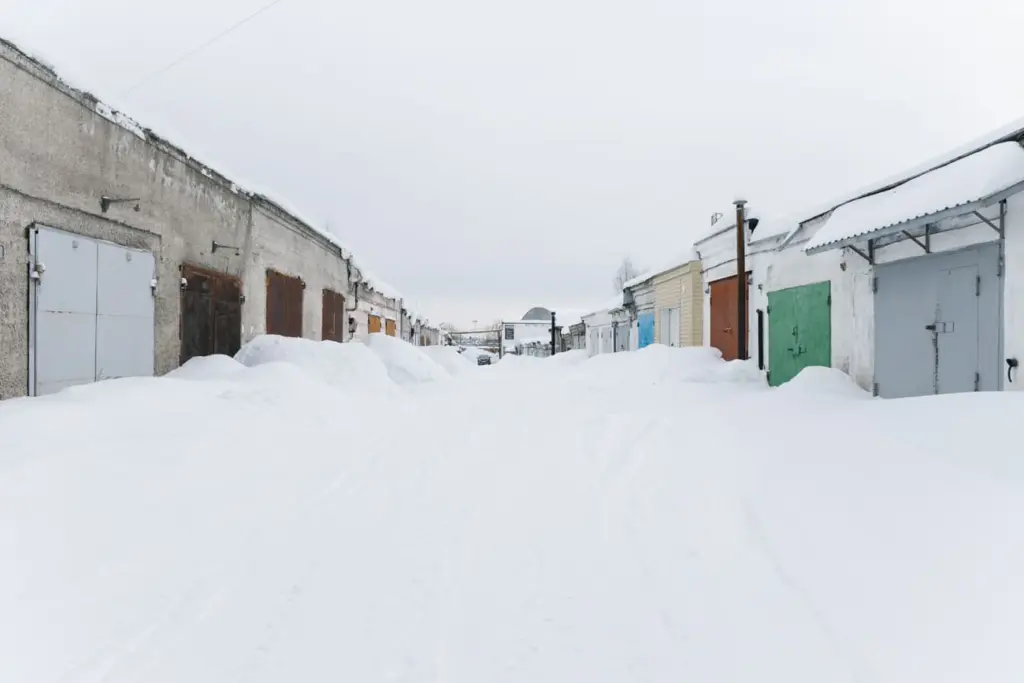
In the garages seven minutes’ walk from Zaikov’s house, someone washing their car had splashed dirty water on the ground, and noticed something strange among the street debris. “I was told the killer had dug a knee-deep pit, wrapped the body in rags, buried it, and covered it with rubbish,” Alyona says. She says the body was identified by the metal pins in his arm and leg. They also came to the house to take DNA from his razor.
Three Bears, or Das Pivas, shop Dmitry Zaikov and Sergei Komissarov had left together. They walked to the garages, and continued arguing there. The criminal case files state that the victim died of asphyxiation — strangled with bare hands.
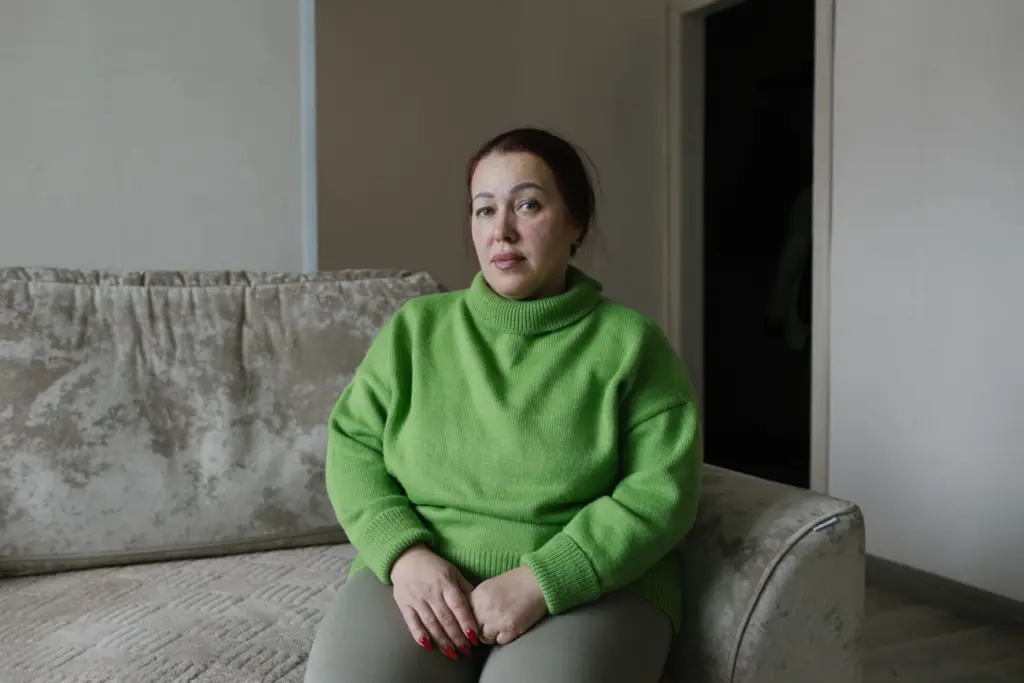
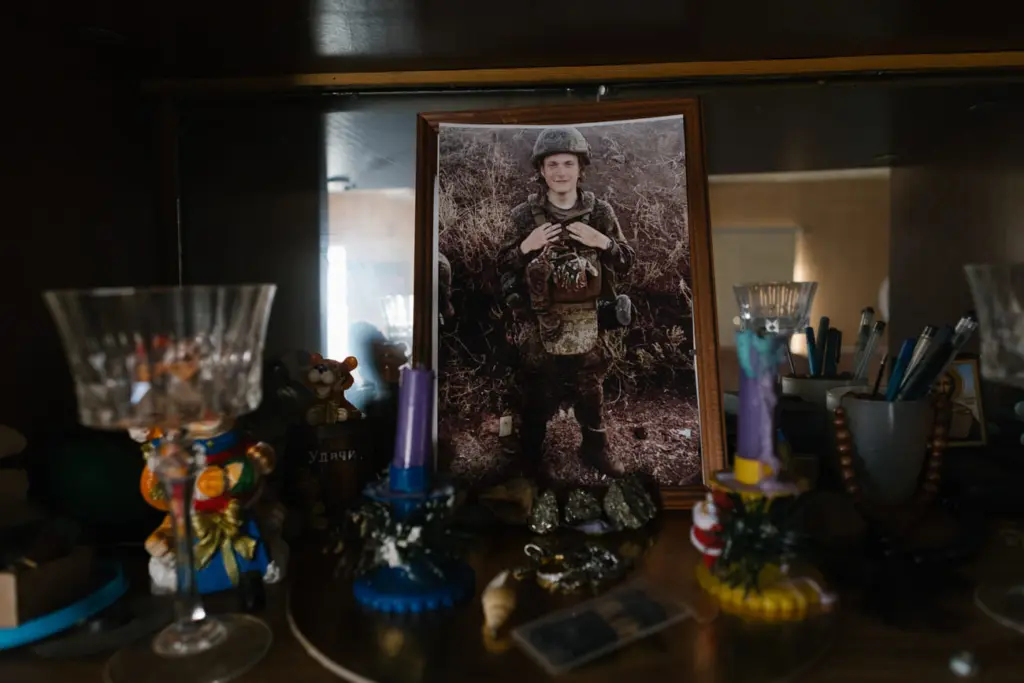
The funeral agent told them not to bother looking for burial clothes. In the three summer months that Dmitry Zaikov had lain buried in the garages five hundred meters from his home, little of the body had survived. He was buried in a closed casket. Alyona was not shown photographs of how her brother was found, though she asked. “You don’t need to see that,” she was told.
Sergei Komissarov was tracked down almost literally by the stars: a few years earlier he had bought a tattoo machine and inked several distinctive celestial images onto his neck. The shop staff said Dmitry Zaikov had left Three Bears with a young man, and described “the star boy.”
Komissarov was detained on the night of August 31, charged the same day, and taken to court on September 1 for a remand hearing.
“He’s Just a Kid”
As Alyona was walking to that court hearing, she spotted a woman she knew: forty-two-year-old Natalya. She was standing leaning against the fence, Alyona recalls, as if she’d been crying. A few years back they’d worked together at the local municipal enterprise, cleaning the stairwells in residential buildings. Alyona had always thought well of Natalya, seen her as a responsible, conscientious worker. Then their paths had diverged: Alyona got a job at the maternity ward reception desk, and Natalya became a cleaner at a kindergarten.
It was only in the courtroom that Alyona realized the Natalya she had worked alongside for years was the mother of the man who had killed her brother.
When Alyona saw Sergei himself, brought into the courtroom under escort, her first thought was: “He’s just a kid.” The killer was the same age as her own younger son.
“A child’s face, but big, tall,” Alyona recalls. The young man didn’t even glance at her. She had deliberately taken a seat on the bench next to the defendant’s cage and kept her eyes fixed on him the entire time. But throughout the whole hearing he looked only at his mother.
“It wasn’t him,” was all Natalya said to Alyona in the hallway. After that day, the two women have not spoken. On social media, they are still each other’s friends.
The hearing moved quickly: Komissarov was remanded in custody for two months. Subsequent events moved just as fast. Sergei confessed to the murder and showed investigators where he had buried the body. Then, just nine days after the court hearing, a petition arrived from the military commissioner of Sverdlovsk Oblast requesting that the criminal proceedings be suspended: Sergei had signed a contract with the Russian Ministry of Defense. That same day, he was released from custody.
“Zeroes”
“I was so cut up, I was home drunk and passed out,” says Sergei Komissarov’s stepfather. He had wanted to see his stepson off to the front but got so drunk he never made it to the station.
Alexander, as he introduces himself, is reluctant to open the door and spends more than a minute deliberating whether to let the journalists inside. He’s wearing a threadbare terry robe and flip-flops on bare feet, a cigarette in his teeth. Lath sticks out from the wall between the kitchen and the single room: the plaster is missing in places, and there is no wallpaper or any wall coverings at all.
“She’s already cried herself dry, leave her alone,” Alexander says of Sergei’s mother, his common-law wife Natalya. The day before, she had refused to speak with the journalists and blocked them in the messenger app. Right now she’s at work in the kindergarten.
Alexander lives in the private housing district, across the road from the house where the Komissarovs used to live. The forty-eight-year-old car mechanic got together with Natalya a couple of years ago. Sergei was seventeen at the time. “Didn’t know him that well, we weren’t close. Used to go fishing, here are his skates over there…” Alexander stands in the middle of the kitchen with his arms crossed.
The bicycle thefts, the man calls “boys being boys.” For the bank card episode, he blames Sergei’s friends: they put him up to it and got him in trouble. And for the murder of Dmitry Zaikov, he blames the victim’s own wife and daughters, claiming it was the wife who strangled her husband, and the eldest daughter who helped with the rope. “It wasn’t Sergei who did it! Why was he even convicted? He was a kind kid who took the blame for everything.”
Signing the military contract, Alexander is certain, was something the police “talked him into”: Sergei wanted to obtain a profession, and planned to come back home from the work release center with a proper profession.
“They loaded him up — life sentence, all this fuss, this and that…” the stepfather said. “Seryoga had been asking to go before, but I told him: ‘You might not come back, and you’d break your mother’s heart.’ So he stayed.”
Sergei’s younger brother, fifteen-year-old Zhenya, lounges in an armchair and shows not the faintest interest in the conversation. He’s in ninth grade, homeschooled. “What did we do together? Spent time on our phones. Played games. No sports. He hung out with his friends. He had a lot of friends.”
On Zhenya’s hands and legs: a heart, a knife, a cross, all tattooed. Zhenya wants his brother, the one who gave him those tattoos, to come home, and for everything to go back to how it was. “Nothing’s going to happen to him now,” he says.
On the refrigerator, souvenir magnets pin up small portraits: the boys’ biological father (“drank himself to death”), Natalya’s nephew (“he’s over there serving now too”), and Sergei himself. In one photo he’s a kindergartner; in another, he’s in camouflage.
“That’s from when he first got there,” Alexander nods at the photo and describes how the whole family used to video-call with Sergei. “At the beginning he was laughing. Then he started to understand where he’d ended up. After that he had no mood left.”
The last time the family spoke to Sergei was December 12. He said he was going on a combat mission, and after that he went silent. The stepfather says Sergei has gone missing. Rumors around town have it that he’s on the run.
As for Alexander himself, a private in the tank corps, he wouldn’t go to fight now: “Worked the mines for years, my back’s gone, got a metal pin in my arm, my hands are frostbitten. There’s nothing left for me to do there.”
Alexander lets out a loud snort when the journalists quote the mayor of Krasnoturyinsk’s line about average salaries exceeding sixty thousand rubles: “Lies.” He believes Russian men are in the most vulnerable position of all, because officials dangle “zeroes” in front of them — fast money, easy money — and many take the bait out of sheer poverty.
He didn’t know Dmitry Zaikov well, but used to run into him at Three Bears occasionally.
“Harmless. Not an ounce of aggression in him,” he says. “He was missing part of his leg. One time I shook his hand, thanked him for going over there to Ukraine. He smiled and cracked open a beer. He had his reasons for going too. Three kids, he needed to give them a life.”
The Triangle
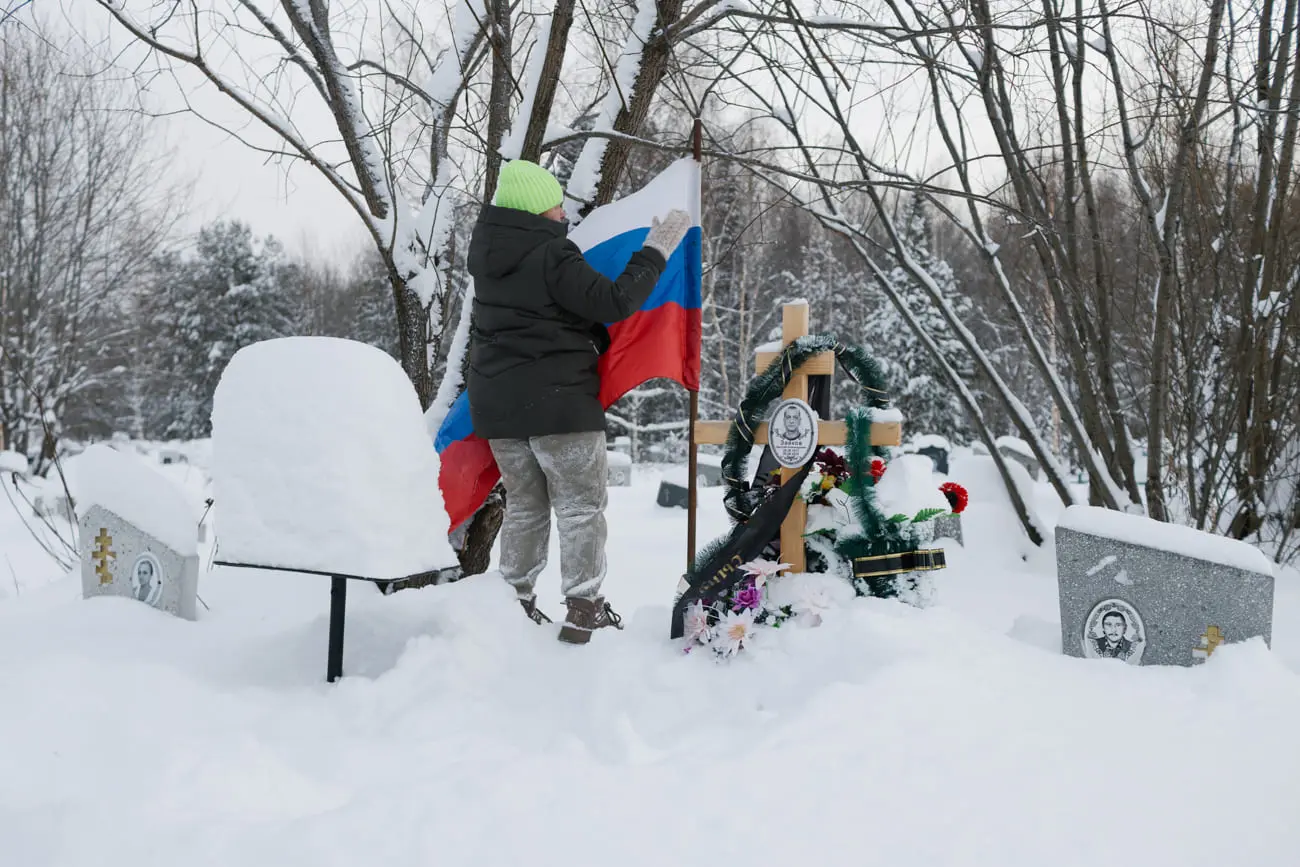
Dmitry Zaikov was buried on September 3 with full military honors from the enlistment office and a gun salute. They offered a plot in the Heroes’ Alley at the new cemetery, where those killed at the front are laid to rest. But Alyona declined, and Dmitry was buried at the old cemetery, among his family: on the left, his younger sister who died of COVID; on the right, his stepfather; above the grave, the Russian tricolor. The old cemetery is closer, easier to get to.
When asked whether her nieces are proud of their father, Alyona Zhdanova replies that the girls are rude to relatives, disrespectful to their teachers and headteacher, and are on the register at the youth offenders’ office. The youngest still loves sweets and is “the sweetest one so far, even if she swears like a trooper.” The middle one is being held back a year for the second time. The eldest rides her electric scooter to the cemetery and brings flowers to her father, sometimes crying. As for whether they’re proud — Alyona doesn’t know.
In November, Alyona tried to sue Sergei Komissarov for moral damages: one million rubles for his children and for medication for their seventy-one-year-old grandmother. The grandmother had been told of her son’s death just before the funeral; at the burial, a flag was placed in her hands.
“I thought she was going to faint,” Alyona says. The mother still can’t fully accept that Dmitry is gone. She shuttles between home and the hospital, and sometimes says she’ll bake buns for when her son comes back.
The court has suspended Alyona’s civil suit because the defendant is at the front.
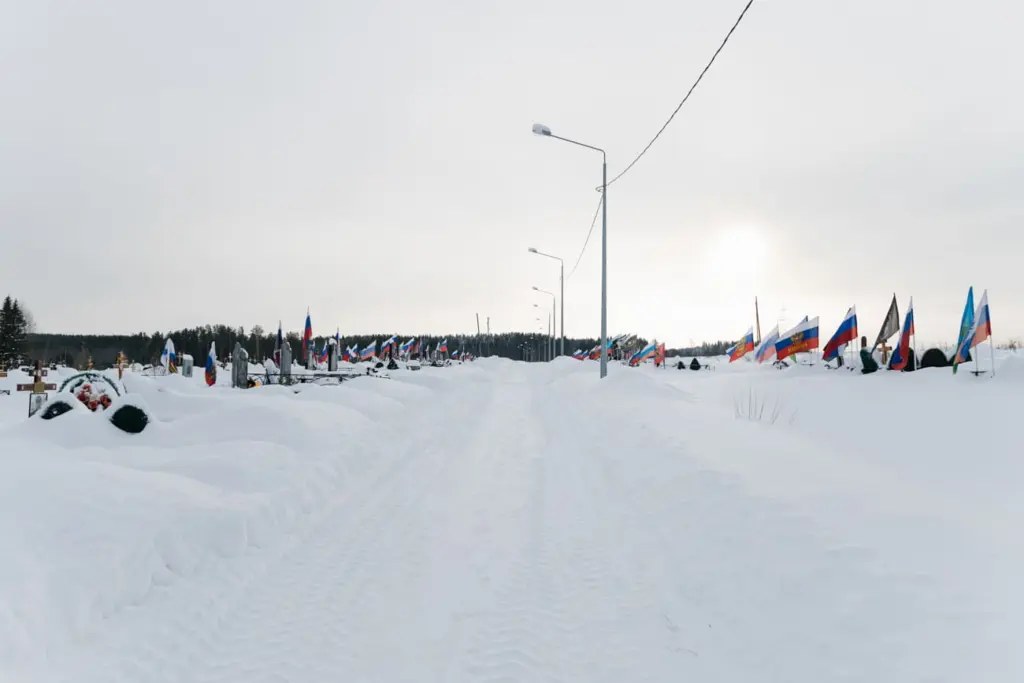
The story of Dmitry Zaikov’s murder, as local journalists told it, surprised no one in the city, they say: there had already been cases here of men accused or suspected of killing fellow residents who signed a military contract and thus avoided criminal prosecution. In Krasnoturyinsk, people have grown accustomed to the war in Ukraine serving as a new form of personal amnesty.
The Das Pivas bar-shop, Three Bears, that formed the backdrop of the Krasnoturyinsk tragedy closed in early autumn and has not reopened. Its iron doors are locked shut; the windows are papered over with ads for lemonade, a taxi company, and a trucking firm.
From Zaikov’s house to the shop is a six-minute walk. From the shop to the garage where Dmitry’s body was found is seven minutes. His final route traces two sides of a nearly isosceles triangle.
No one from Dmitry Zaikov’s family has visited the place where he died: the garage has to be found by number among a row of identical structures inside Garage Cooperative No. 12. Alyona Zhdanova is waiting for warmer weather to bring flowers to where her brother fell.
It took us half an hour to find the garage. It’s the last one in the row; to its left, the ground drops away into a deep ravine. From the low ground, the house where Dmitry lived is visible in full, and you can hear his Alabai barking.
The snowdrifts around the garage reach the rooftop in places. But a fresh scattering of yellow drops on the snow is evidence that life goes on here.
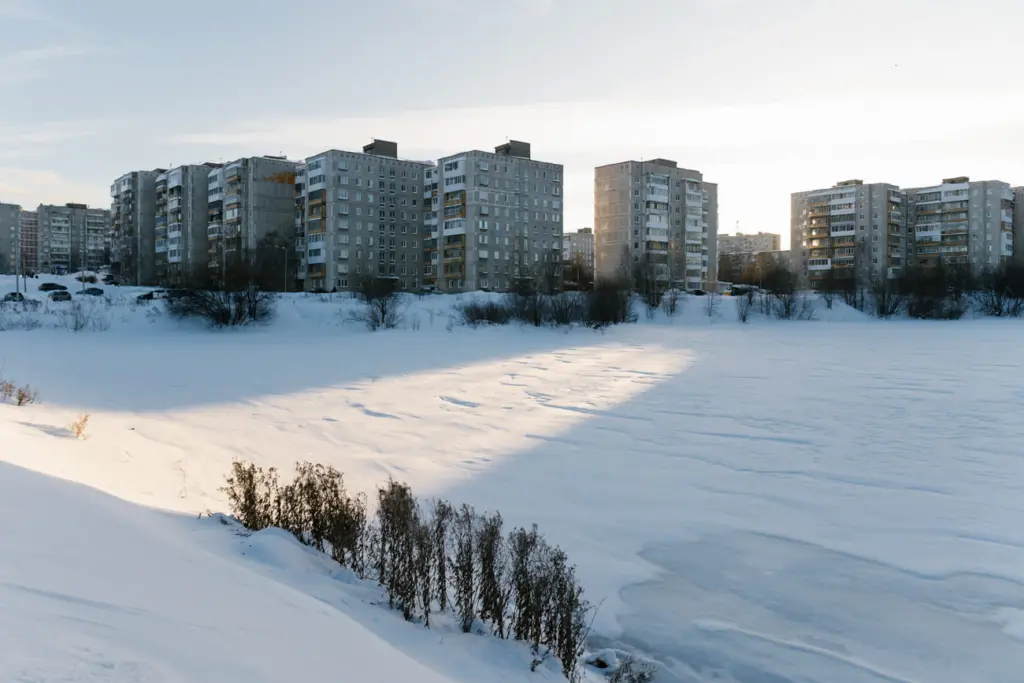
At a knock, an iron door swings open and a man of about fifty in a work jumpsuit appears. Behind him, another man in the same overalls is hammering at sheet metal. In the center of the garage stands an ornate frame, a meter and a half tall, decorated with iron scrollwork.
Brothers Sanya and Vitalya, as they introduce themselves, spend their free time listening to rock and doing metalwork “for the soul”: the local church has commissioned them to make a decorative entrance arch. To a Konstantin Kinchev song, they’re welding the metal gates for a place of worship, which they’ll hand over to the client in a week.
The details of the murder, Vitalya and Sanya learned from the local community page, after the police had carried out their examination here at the end of the summer. Back then, the investigators had told the brothers to close their doors and stay quiet. “The one who did it… Is he at the front now?” the men ask, showing they’re already informed. And when asked how they know, they both spread their hands: everyone does it these days, they say, to avoid prison.
While we talk, Kinchev gives way to Freddie Mercury. He’s singing that the show must go on.